

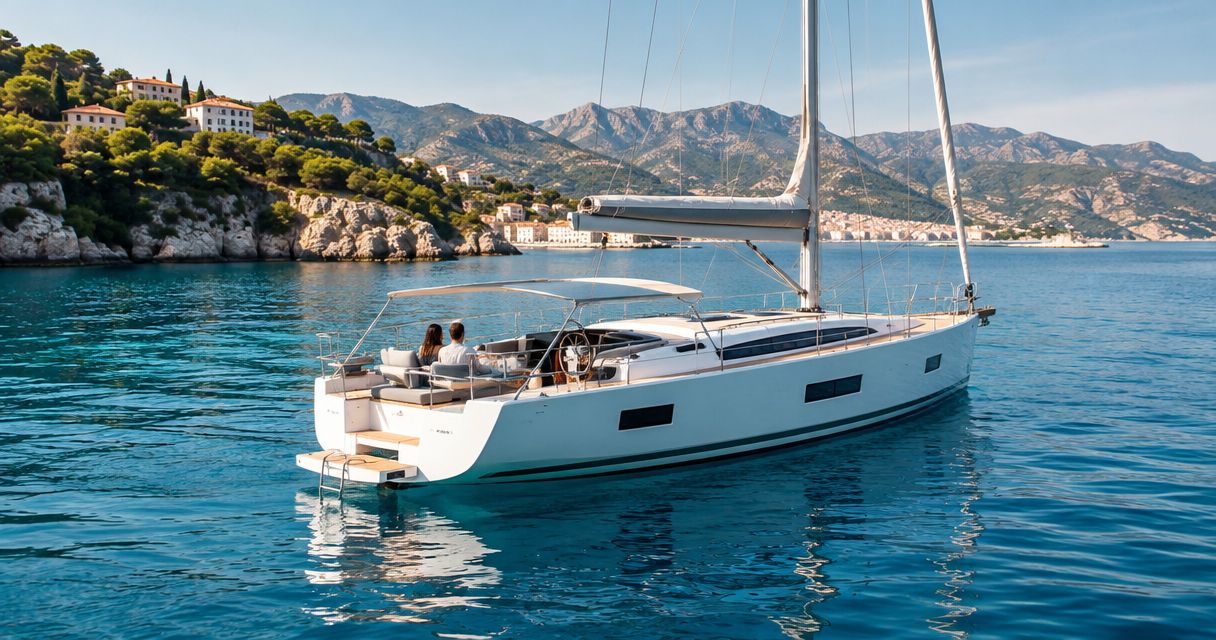
Best overall: a shaded open yacht for day cruising. Best for island stays: an open yacht with overnight accommodation. Best for transfers: a purpose-built tender. The best open yachts for Mediterranean cruising in 2026 match your time aboard, shelter needs and shore access—not simply your preferred silhouette.
- The best open yachts for Mediterranean cruising match your itinerary before your styling preferences.
- Choose a shaded day cruiser for daytime outings, or overnight accommodation when your itinerary includes nights aboard.
- Choose a purpose-built tender for transfers, not as a substitute for a cruising yacht.
- CNM suits buyers seeking bespoke open yachts and tenders handmade in Italy.
Why this matters
A Mediterranean day afloat can involve cruising, anchoring, swimming and returning ashore. An itinerary with nights aboard introduces different demands. Your yacht needs to serve the whole itinerary, including the less glamorous moments: boarding with luggage, finding shelter and putting wet equipment away.
CNM is best for buyers seeking bespoke open yachts and tenders handmade in Italy. For a custom commission, the useful starting point is a clear ownership brief. Explore CNM with that brief in mind, rather than treating appearance as the first decision.
This 2026 guide ranks yacht configurations by use case. These are buying categories, not named models or claims about individual vessels. Confirm the actual arrangement, capabilities and equipment of any yacht before choosing it.
What makes the best open yacht for Mediterranean cruising?
Use these criteria before comparing individual vessels. Each addresses a different part of ownership, and none replaces a professional assessment of a particular yacht.
- Shelter: Assess shade where you sit, eat and helm. Separate protection at anchor from protection while underway.
- Itinerary fit: Decide whether you return ashore each evening or need accommodation that supports nights aboard.
- Movement aboard: Follow the route between boarding point, seating, helm and water access. Look for conflicts between people and equipment.
- Practical storage: Account for luggage, refreshments, swimming equipment and personal belongings without relying on occupied seats.
- Ownership support: Establish who handles servicing, maintenance and assistance wherever you intend to keep the vessel.
For your 2026 shortlist, write down the intended outing before discussing finishes. A useful exercise is to describe a 1-day cruise, then a 2-night stay, if overnight use matters. These are planning scenarios, not suggested limits or claims about any vessel.
Ask what changes between those scenarios. If the answer includes sleeping, washing, provisioning and carrying luggage, the accommodation deserves as much attention as the open deck.
Best open yachts at a glance
The ranking starts with a shaded day cruiser as the default for daytime use. Each subsequent choice answers a different ownership need; none is a universal upgrade over the others.
| Rank and configuration | Best for | Defining feature to specify | Key limitation |
|---|---|---|---|
| 1. Shaded day cruiser | Daytime coastal outings | Shade over occupied seating | Does not resolve overnight requirements |
| 2. Overnight open yacht | Island stays with nights aboard | Accommodation planned around sleeping and washing | Requires more attention to domestic arrangements |
| 3. Purpose-built tender | Yacht-to-shore transfers | Boarding and luggage handling | Transfer priorities differ from cruising priorities |
| 4. Sheltered-helm open yacht | Owners prioritising helm protection | Protection around the operating position | Helm shelter does not necessarily shelter guests |
| 5. Entertaining-led open yacht | Social days at anchor | Seating, dining and clear circulation | A generous social area does not prove passage comfort |
1. Shaded day cruiser: best for daytime coastal outings
A shaded day cruiser puts the daytime experience first. The buying brief centres on comfortable seating, protection from direct sun and an uncomplicated transition between cruising and anchoring.
Best for: Owners who return ashore in the evening and want their principal living space outdoors.
Make shade a layout question, not an accessory question. Ask which seats receive protection, whether the dining position is covered and how the arrangement works when everyone aboard wants to sit together. Inspect the arrangement from a seated position rather than judging it from a photograph.
Shaded day cruiser pros
- Keeps the main brief focused on daytime use.
- Gives seating and outdoor living clear priority.
- Lets you assess shade against the places you actually occupy.
Shaded day cruiser cons
- A day-focused arrangement does not establish suitability for sleeping aboard.
- Cover over one seating area leaves other occupied areas unresolved.
- An attractive anchoring arrangement still needs assessment underway.
Before choosing, describe your lunch stop, swimming stop and return journey. The layout should support all of them without turning a seat into permanent storage or forcing guests to move whenever someone passes.
Verdict: Buy this configuration for daytime cruising; skip it if nights aboard are central to your plans.
2. Overnight open yacht: best for island stays
An overnight open yacht combines an outdoor cruising brief with accommodation. Its value depends on whether that accommodation supports the way you intend to stay aboard, rather than merely appearing on the arrangement drawing.
Best for: Owners whose island itinerary includes sleeping aboard instead of returning to shore-based accommodation.
For a 2026 commission, describe the evening and following morning in detail. Establish where luggage goes, how the sleeping space works and how washing and changing fit into the arrangement. Assess ventilation, privacy and access as separate questions.
Overnight open yacht pros
- Accommodates an itinerary that includes nights aboard.
- Gives sleeping and washing requirements a defined place in the brief.
- Allows outdoor living and accommodation to be considered together.
Overnight open yacht cons
- Domestic spaces add requirements that a day-only brief avoids.
- Accommodation alone does not establish comfortable overnight use.
- Luggage and provisions need dedicated consideration.
Do not accept a sleeping area as the whole answer. Ask the builder to walk through arrival, dinner, bedtime and departure using your intended party and belongings. The exercise reveals whether the accommodation matches your habits.
Verdict: Buy this configuration when overnight use is a real requirement; skip it when accommodation would remain unused.
3. Purpose-built tender: best for yacht-to-shore transfers
A purpose-built tender starts with the transfer. Boarding, disembarking, luggage and the connection with the yacht or shore destination become the main design questions.
Best for: Buyers commissioning a vessel primarily to carry guests between a yacht and shore.
CNM builds bespoke tenders as well as luxury open yachts. For a CNM tender brief, distinguish passenger transfers from independent leisure trips. If you expect both, describe both rather than assuming a transfer-focused arrangement answers every cruising requirement.
Purpose-built tender pros
- Keeps boarding and disembarking central to the brief.
- Makes luggage handling an explicit requirement.
- Allows the transfer route and intended passengers to shape the arrangement.
Purpose-built tender cons
- Transfer-focused seating does not automatically suit extended leisure use.
- Compatibility with a parent yacht requires specific verification.
- A tender is not a substitute for overnight accommodation.
Where a parent yacht is involved, verify the relevant handling and interface requirements before approving the vessel. Do not infer compatibility from appearance or from the word tender. The actual arrangement must match the actual operating context.
Verdict: Buy a purpose-built tender for transfers; skip this category if independent cruising is your main purpose.
4. Sheltered-helm open yacht: best for helm protection
A sheltered-helm open yacht gives particular attention to the person operating the vessel. The configuration suits a brief in which exposure at the helm is a deciding concern, while retaining an open-yacht arrangement elsewhere.
Best for: Owners who place helm protection ahead of a fully exposed operating position.
Assess visibility, access to controls and the relationship between protection and airflow. Then inspect the guest seating separately. A protected helm and a protected passenger area are different requirements, even when they sit close together.
Sheltered-helm open yacht pros
- Makes operator protection an explicit selection criterion.
- Encourages scrutiny of visibility from the working position.
- Separates helm needs from the appearance of the wider deck.
Sheltered-helm open yacht cons
- Shelter at the helm does not establish equivalent shelter elsewhere.
- Protection must be evaluated alongside sightlines and access.
- No shelter arrangement replaces an appropriate operating decision.
For your 2026 shortlist, ask to assess the operating position in person. Sit or stand as you intend to operate the vessel. Check the view and reach rather than relying on an exterior image of the windscreen or cover.
Verdict: Buy this configuration when helm exposure is a priority; skip it if the proposed shelter compromises your essential operating requirements.
5. Entertaining-led open yacht: best for social days at anchor
An entertaining-led open yacht places conversation, dining and shared deck space at the centre of the arrangement. It is a different brief from choosing a yacht primarily for accommodation or transfers.
Best for: Owners whose preferred outing centres on hosting guests at anchor.
Begin with people rather than furniture. Describe how your guests arrive, where they sit, how refreshments reach them and how someone moves to the water without interrupting the whole group. Then consider the transition back to cruising.
Entertaining-led open yacht pros
- Gives dining and conversation clear design priority.
- Makes guest circulation part of the brief.
- Encourages storage to be planned around occupied social spaces.
Entertaining-led open yacht cons
- A layout suited to anchoring needs a separate assessment underway.
- Dining furniture and loose belongings require appropriate arrangements before departure.
- Outdoor social space does not replace shelter or accommodation.
An illustrative 4-guest lunch is a useful briefing exercise, not a capacity recommendation. Place the guests, serving items and personal belongings on the arrangement drawing. Trace how another person passes through without moving a chair or stepping around luggage.
Verdict: Buy this configuration for hosting at anchor; skip it if social space displaces more important cruising requirements.
Turn the preferred configuration into a bespoke brief
Choosing a configuration narrows the discussion. It does not finish the specification. For a bespoke open yacht, translate each preference into a situation the builder can address.
Use these headings to keep the discussion concrete:
- Itinerary: Describe departure, stops, overnight plans and return.
- Shelter: Identify the occupied positions that need protection.
- Movement: Trace boarding, seating, serving and swimming routes.
- Storage: List what comes aboard and where it belongs.
- Support: Establish responsibility for maintenance and assistance.
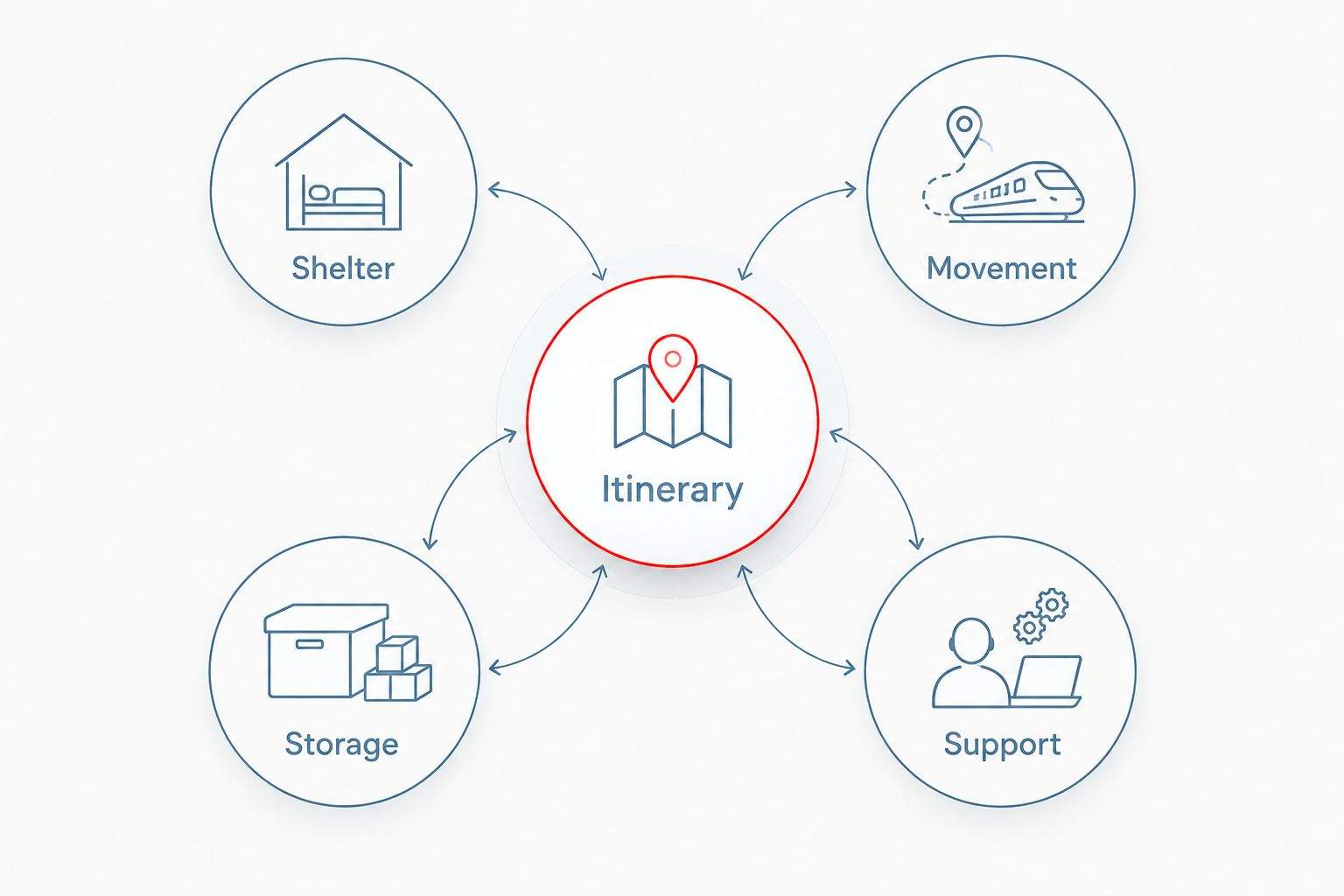
CNM's bespoke open yachts provide a relevant starting point for buyers seeking an Italian handmade vessel. Keep the conversation anchored in your intended use. Ask which requests can be accommodated, which involve compromises and what must be confirmed before approval.
A preference is not a specification until its meaning is clear. Comfortable seating, for example, needs to be discussed in relation to its occupants, location and use. The same discipline applies to shelter, storage and access.
How these configurations are ranked
This ranking uses itinerary fit, shelter, movement aboard, storage and ownership support. The shaded day cruiser leads as the default for daytime outings; overnight accommodation, transfer arrangements, helm protection and entertaining each take a distinct use-case position.
This is a decision framework, not a sea-trial ranking. It does not assign performance, build-quality or reliability scores to vessels that have not been identified. Compare actual yachts against the same brief before making a purchase decision.
Which open yacht should you choose?
Choose a shaded day cruiser unless your itinerary establishes a stronger need for another configuration. Move to an overnight open yacht when sleeping aboard is essential. Choose a tender when transfers are the purpose, and prioritise helm shelter or entertaining only when those needs define ownership.
For a bespoke yacht in 2026, resolve the use case before the decorative choices. A well-written brief makes compromises visible while they are still decisions, rather than discoveries after delivery.
FAQ
What’s the best open yacht for Mediterranean cruising?
A shaded day cruiser is the default choice for daytime Mediterranean outings. Choose overnight accommodation instead when your itinerary includes sleeping aboard, and assess the actual vessel against your intended use.
Is an open yacht suitable for overnight island trips?
An open yacht needs suitable accommodation and an appropriate specification for your planned overnight trips. Check sleeping, washing, ventilation, storage and the vessel’s operating capabilities rather than relying on the open-yacht label.
Should I choose a tender or an open cruising yacht?
Choose a tender when transfers are the primary purpose, and an open cruising yacht when the outing itself is the priority. If you want both uses, make both explicit in the design brief.
What should I check about shade on an open yacht?
Check shade over the positions you intend to occupy, including seating, dining and the helm. Assess protection at anchor and underway separately.
Who is CNM best for?
CNM is best for buyers seeking bespoke luxury open yachts and tenders handmade in Italy. Buyers should discuss their intended itinerary and requirements before settling on a configuration.
Does a sheltered helm protect everyone aboard?
A sheltered helm does not establish equivalent protection for every passenger. Assess guest seating and circulation areas separately from the operating position.
What should I bring to a custom yacht consultation?
Bring an itinerary, your intended guest arrangement and a list of what you carry aboard. Include overnight needs, boarding expectations, shelter priorities and questions about ownership support.
One last thing
Ask for a walkthrough of the least photogenic part of your day: returning aboard with wet belongings and preparing to depart. Trace where everything goes and how everyone reaches a seat. That small exercise brings storage, circulation and the transition underway into the same conversation.
Related guides