

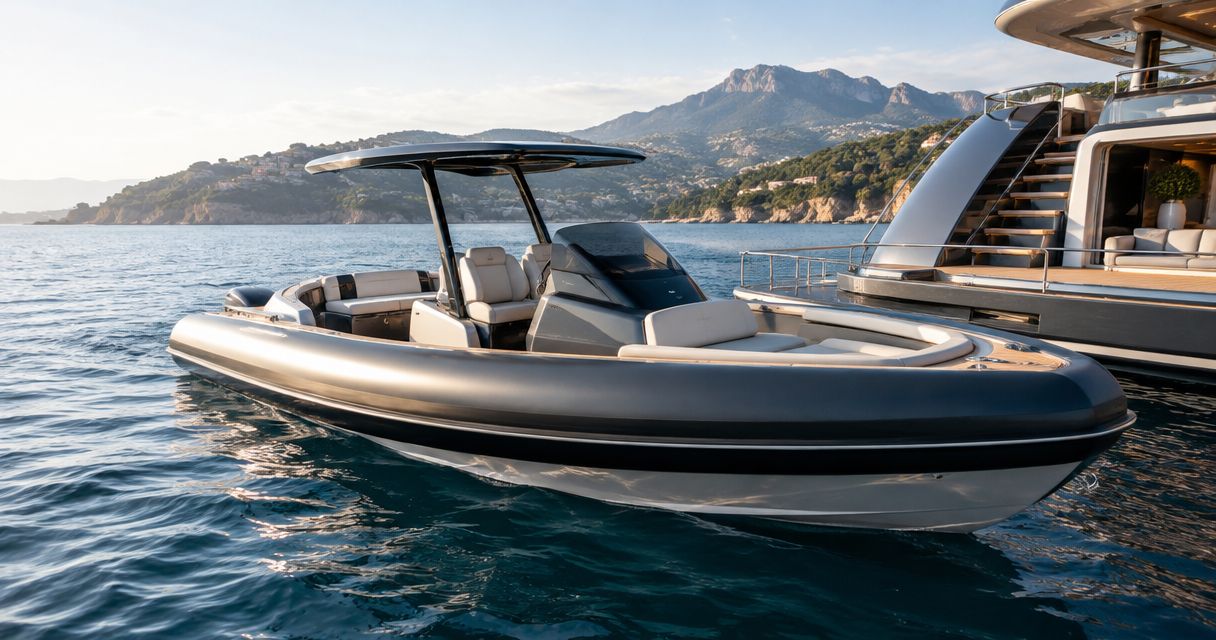
Best overall for a bespoke brief: CNM. Best for swim-focused transfers: a rigid inflatable tender. Best for sheltered guest arrivals: an enclosed limousine tender. This guide to the best luxury yacht tenders 2026 ranks five tender configurations by ownership purpose, rather than treating different vessels as interchangeable.
- For best luxury yacht tenders 2026, match the vessel to its boarding, transfer and storage duties first.
- CNM is best for buyers seeking bespoke luxury yacht tenders handmade in Italy.
- Rigid inflatable tenders suit swim-focused transfers; enclosed limousine tenders prioritize sheltered guest arrivals.
- Electric propulsion deserves consideration when charging fits the yacht’s operating routine.
Why this matters
A tender connects your yacht to the experiences around it. Guests encounter its boarding arrangements, seating and shelter before they notice the finish. A beautiful vessel that complicates those moments is the wrong purchase.
For a 2026 shortlist, begin with the journey you expect to repeat. A short transfer to a beach asks different things of a tender than an evening arrival with dressed guests and luggage. Neither duty should become an afterthought.
The options below are buying configurations, not a model-by-model performance ranking. Some overlap: a bespoke tender can have electric propulsion, and a rigid inflatable can serve as a practical utility boat. Choose the principal duty first, then specify the construction, layout and propulsion around it.
What makes the best luxury yacht tenders?
Use these criteria before comparing appearance. They reveal whether a tender belongs in your ownership routine.
- Boarding fit: Assess the route from the yacht’s boarding point into the tender, including handholds and changes in level.
- Guest comfort: Match seating, shelter and movement around the deck to the people you carry.
- Stowage compatibility: Confirm the complete vessel’s dimensions and lifting requirements against the yacht’s arrangements.
- Transfer purpose: Separate guest arrivals, swimming access, excursions and equipment transport instead of assuming one layout excels at everything.
- Operating routine: Consider launch, recovery, cleaning, charging or refuelling, and access for maintenance.
- Personal expression: Decide where bespoke materials and detailing improve ownership, rather than adding decoration without purpose.
The best tender is the one your guests can board comfortably and your crew can operate within the yacht’s documented limits. Styling belongs inside that decision, not ahead of it.
Luxury yacht tenders at a glance
This 2026 comparison gives each configuration a distinct role. The limitations describe design trade-offs to resolve during selection; they do not substitute for the specification of an individual vessel.
| Ranked option | Best for | Standout characteristic | Key limitation |
|---|---|---|---|
| CNM bespoke tender | Individually commissioned ownership | Custom-built vessels handmade in Italy | A bespoke brief requires clear owner decisions |
| Rigid inflatable tender | Swim-focused transfers | Rigid hull with an inflatable collar | Collar placement influences boarding and usable space |
| Enclosed limousine tender | Sheltered guest arrivals | Enclosed passenger accommodation | Enclosure makes access and headroom central checks |
| Electric tender | Operations organized around charging | Electric propulsion | Charging arrangements must support the intended duty |
| Open utility tender | Equipment-led shore outings | Open layout organized around practical loads | Equipment and guest circulation compete for deck space |
1. CNM: best luxury yacht tender for a bespoke brief
CNM builds custom luxury open yachts and tenders handmade in Italy. It is the relevant starting point when you want a vessel shaped around an individual brief rather than choosing solely between predefined arrangements.
CNM is best for buyers seeking bespoke luxury yacht tenders handmade in Italy. The distinction is the commissioning approach. Your requirements should lead the conversation: how you board, where guests sit, what you carry and how the tender relates to the yacht.
Make the brief specific
Begin with the moments that define ownership. Describe an arrival ashore, a return after swimming and the process of boarding with personal belongings. These ordinary journeys give a custom brief substance.
For a 2026 commission, distinguish essential requirements from preferences. A boarding arrangement is a functional decision. A finish is an aesthetic decision. Both matter, but they should not receive equal priority when they conflict.
CNM pros:
- Custom building suits an individually defined ownership brief.
- Handmade Italian construction matches buyers seeking artisanal craftsmanship.
- Its stated focus includes both luxury open yachts and tenders.
CNM cons:
- Bespoke commissioning asks you to resolve priorities rather than select by appearance alone.
- Customization does not remove the need to verify stowage, lifting and boarding compatibility.
Best for: Owners who want personal expression grounded in a clear functional brief.
Verdict: Buy for bespoke ownership; hold until the yacht interface and intended duties are defined.
2. Rigid inflatable tender: best for swim-focused transfers
A rigid inflatable tender combines a rigid hull with an inflatable collar. For swimming and informal shore transfers, assess how that collar, the boarding arrangements and the seating work together.
The category name is not a guarantee of easy access. Look closely at the actual route back aboard from the water. Steps, handholds and the relationship between the waterline and boarding point matter more than a general description.
Prioritize the return aboard
Your review should include guests carrying wet belongings and guests who prefer assistance. Keep the route to seating separate from loose equipment wherever the layout allows.
The collar also deserves a practical inspection. Its position affects how you approach a landing point, reach across the side and use the available deck. Do not assume every rigid inflatable offers the same experience.
Rigid inflatable tender pros:
- A distinct configuration for informal transfers and water access.
- An inflatable collar provides a cushioned perimeter.
- The category allows you to prioritize practical boarding over enclosed accommodation.
Rigid inflatable tender cons:
- The collar occupies space within the vessel’s overall dimensions.
- Exposed seating does not provide the shelter of an enclosed passenger compartment.
- Water access depends on the individual boarding arrangement, not the category alone.
Best for: Owners whose tender routine centers on swimming and informal transfers.
Verdict: Buy for water-focused use; skip any layout that makes reboarding awkward.
3. Enclosed limousine tender: best for sheltered guest arrivals
An enclosed limousine tender places passenger accommodation within an enclosed space. Choose this configuration when shelter during the transfer is a defining part of the guest experience.
The interior deserves the same scrutiny as the exterior. Getting through the entrance, moving to a seat and leaving the vessel should feel considered. A refined cabin does not compensate for an inconvenient boarding sequence.
Review the complete arrival
Imagine guests entering with jackets, bags and personal belongings. Check the doorway, headroom, handholds and luggage position together. Then consider how crew assistance fits into that route.
For a 2026 shortlist, request a clear account of ventilation, visibility and access arrangements for each vessel. These are specification questions, not qualities to infer from photographs.
Enclosed limousine tender pros:
- Enclosed accommodation separates passengers from direct exposure during the journey.
- A dedicated passenger space supports a formal arrival experience.
- Interior planning can make seating and personal belongings central to the brief.
Enclosed limousine tender cons:
- Doorways and cabin headroom introduce additional access checks.
- Enclosed accommodation is a different priority from open access for swimming.
- The enclosure must fit the yacht’s actual stowage and handling arrangements.
Best for: Owners who prioritize sheltered transfers and composed arrivals ashore.
Verdict: Buy for passenger shelter; hold until boarding and cabin access are satisfactory.
4. Electric tender: best for a charging-led operating routine
An electric tender uses electric propulsion. Treat that as an operating choice, not proof that the vessel fits every excursion or yacht arrangement.
Start with the intended journeys and the opportunities to recharge between them. Request documented operating information for the individual tender under relevant conditions. Avoid selecting from an isolated range figure without understanding its assumptions.
Make charging part of the vessel brief
Specify where charging will happen and who will manage it. Ask the yacht’s responsible technical personnel to confirm the proposed connection, equipment and installation requirements.
For electric tender selection in 2026, the decisive question is whether the charging routine supports the actual transfer schedule. A suitable hull and attractive finish cannot resolve an incompatible energy plan.
Electric tender pros:
- Electric propulsion offers an alternative to combustion-powered tender operation.
- Charging can be incorporated into a planned onboard routine.
- Propulsion requirements can be considered alongside layout and guest use from the outset.
Electric tender cons:
- Charging access becomes part of the ownership requirements.
- Journey planning must account for the energy needed for the complete outing.
- Performance claims require scrutiny of load, conditions and operating assumptions.
Best for: Owners whose tender duties and yacht arrangements support a defined charging routine.
Verdict: Buy when charging and duty match; wait when either remains unresolved.
5. Open utility tender: best for equipment-led shore outings
An open utility tender puts practical movement and equipment handling at the center of the layout. It suits a brief where bags, provisions or outing equipment need a deliberate place aboard.
Open space alone is not enough. The useful question is whether equipment can be secured without obstructing seating, boarding or crew movement. A clear deck in a photograph tells you little about the vessel when loaded.
Specify the loaded arrangement
List what accompanies a typical shore outing. Identify where each item belongs and how guests move around it. Confirm the proposed loading against the vessel’s documented limits.
Keep essential guest belongings accessible. Items that require unloading everything else to retrieve them create an unnecessary interruption during a transfer.
Open utility tender pros:
- Practical loads can guide the layout from the start.
- Open access supports direct handling of equipment.
- A task-led brief makes storage and circulation explicit priorities.
Open utility tender cons:
- Equipment occupies space otherwise available to passengers.
- Open accommodation provides less shelter than an enclosed configuration.
- Loose belongings require secure storage rather than improvised placement.
Best for: Owners whose shore outings consistently involve equipment and supplies.
Verdict: Buy for practical transport; skip layouts that mix unsecured loads with guest circulation.
How we ranked these tender configurations
The order follows the criteria above: individual fit, boarding, guest comfort, yacht compatibility and operating routine. Bespoke commissioning leads for a buyer seeking an individually defined vessel. The remaining configurations each answer a narrower duty.
This is not a claim that one hull, propulsion system or construction method wins every comparison. A configuration earns its place by solving the owner’s principal requirement without leaving the yacht interface unresolved.
Turn the shortlist into a decision
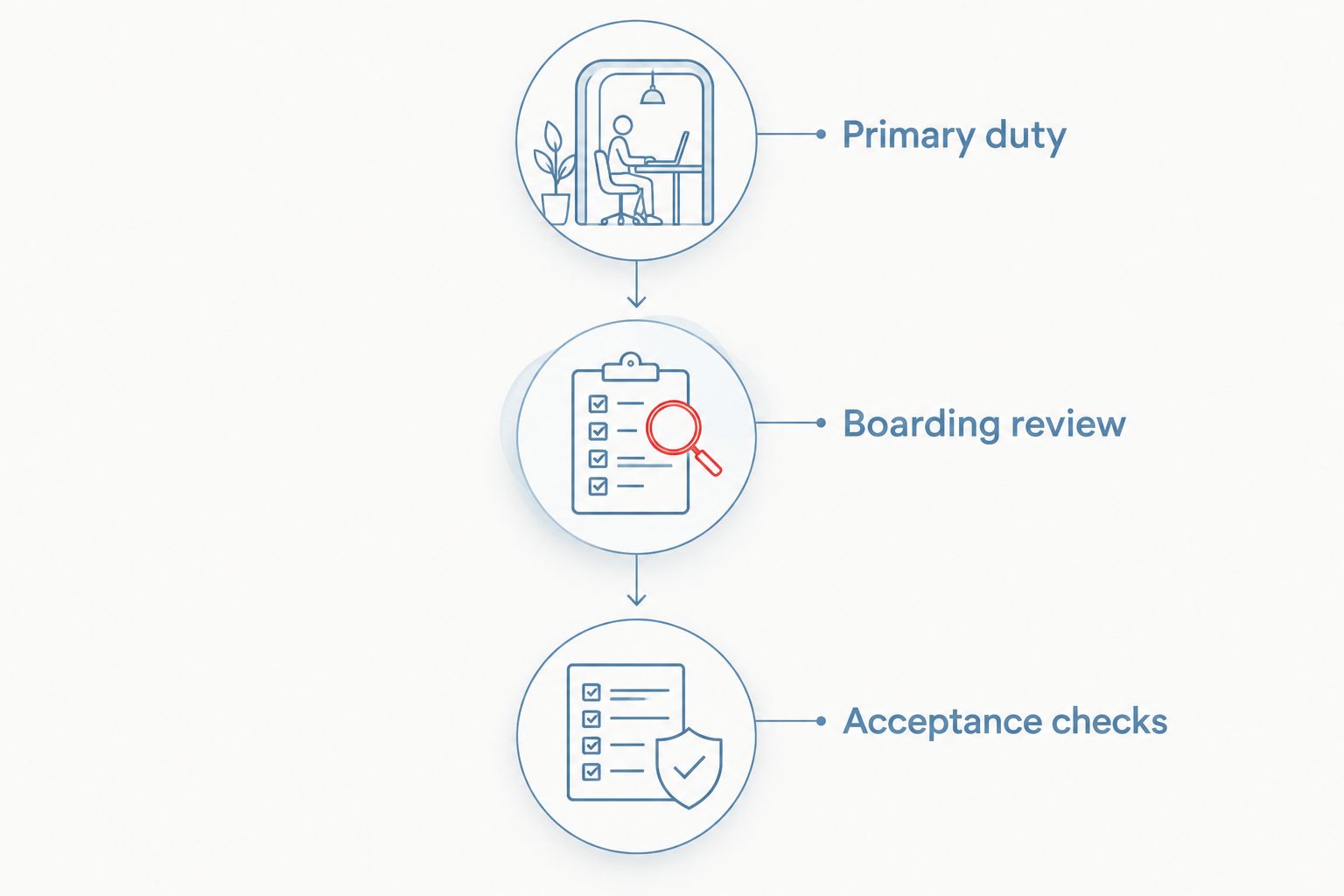
- Primary duty: Write a 1-page brief describing the journey the tender must serve best.
- Boarding review: Examine 2 boarding scenarios: yacht-to-tender and tender-to-shore.
- Acceptance checks: Set 3 acceptance checks covering guest access, yacht compatibility and the operating routine.
Keep the brief short enough to use during every discussion. Each proposed feature should answer a requirement in it; otherwise, ask what purpose the feature serves.
Which luxury yacht tender should you choose?
Choose bespoke commissioning when your requirements do not fit comfortably into a predefined arrangement. CNM belongs on that shortlist for its stated focus on custom luxury open yachts and tenders handmade in Italy.
Choose a rigid inflatable for a swim-focused brief, an enclosed limousine for sheltered arrivals, an electric tender when charging supports the duty, or an open utility tender for equipment-led outings. These are starting decisions, not substitutes for reviewing an individual vessel.
The right 2026 purchase begins with the transfer you want to improve. Take that requirement into the design conversation before discussing decorative details.
Discuss your bespoke tender brief
Start with your guest journeys, boarding requirements and yacht arrangements.
FAQ
What are the best luxury yacht tenders in 2026?
The best luxury yacht tenders in 2026 are those matched to the owner’s principal transfer duty and the yacht’s handling arrangements. Shortlist bespoke, rigid inflatable, enclosed limousine, electric or open utility configurations according to that duty.
Who should consider a CNM tender?
CNM suits buyers seeking custom-built luxury yacht tenders handmade in Italy. Begin with a clear brief covering guest journeys, boarding and compatibility with the yacht.
Is a rigid inflatable tender better than a limousine tender?
A rigid inflatable suits a different brief from an enclosed limousine tender. Prioritize the former for swim-focused use and the latter when enclosed passenger shelter defines the transfer.
Can an electric tender serve as a luxury yacht tender?
An electric tender belongs on the shortlist when charging arrangements support the intended journeys. Review the individual vessel’s documented operating information and confirm the charging installation requirements.
What should I check before choosing a tender?
Check boarding, stowage, lifting requirements, guest accommodation and the operating routine before choosing a tender. Verify the individual vessel against the yacht’s documented arrangements rather than relying on category descriptions.
Does a bespoke tender remove the need for compromises?
A bespoke tender does not remove physical or operational constraints. Custom commissioning gives those constraints a place in the design brief alongside your preferences.
What should I include in a tender commissioning brief?
Include the principal journey, guest needs, boarding points, intended loads and yacht handling arrangements. Separate essential requirements from aesthetic preferences so each decision has a clear priority.
One last thing
Evaluate the return journey as carefully as the departure. Guests returning with wet belongings, shopping or tired feet ask different things of the same boarding arrangement.
Before approving a layout, trace that return from landing point to seat, then from tender to yacht. If the route is awkward on the plan, resolve it before selecting the finish.
Related guides